Friday, December 8, 2017

Deadline for Open Enrollment in Health Insurance


Deadline for open enrollment in Obamacare’s health insurance exchange is December 15th,, 2017.  Enroll now if you haven’t done so already - https://www.healthcare.gov  

If you miss it, you will have to wait until the end of next year unless you fit certain criteria of exceptions


Monday, December 12, 2016

3 Simple Practices for Constipation, Bloating, Abdominal Pain


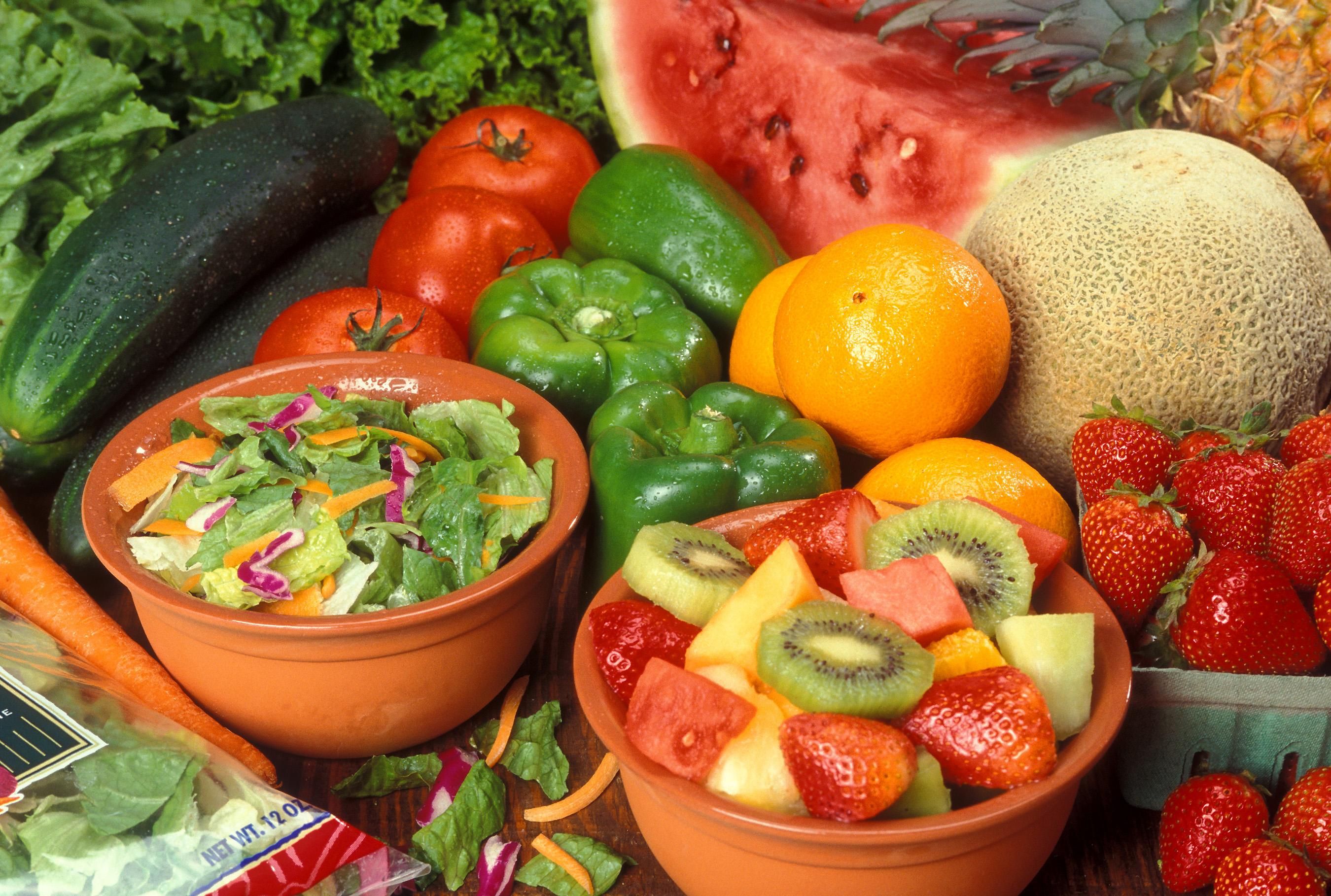
If you have problems with constipation, bloating, abdominal pains, gastrointestinal tract, colon, pancreas, and/or gallbladder, you should increase your fiber intake along with water.  Fruits and vegetables are better sources of fiber than whole grain, whole wheat, and fiber supplements.  Here are the simple 1-2-3 of what you need to do:


  1. Aim for 9 servings (or more) of fruits and vegetables per day.  (Fruits and vegetables are great sources of fiber, better than whole wheat and whole grain products for many reasons).  If your condition is severe, then you should have AT LEAST 9 servings per day.  If you do not have a severe condition, then not getting to the ideal 9 servings would not be that big of a deal but you should still get as close as you can to the ideal recommendation.  Also, you may have to adjust this recommendation for your specific condition.  For example, a patient placed on a liquid diet who finds that they cannot hold down raw fruits (including smoothies) would fulfill this recommendation of 9 servings with cooked vegetables (processed in blender before being cooked in vegetable soup).
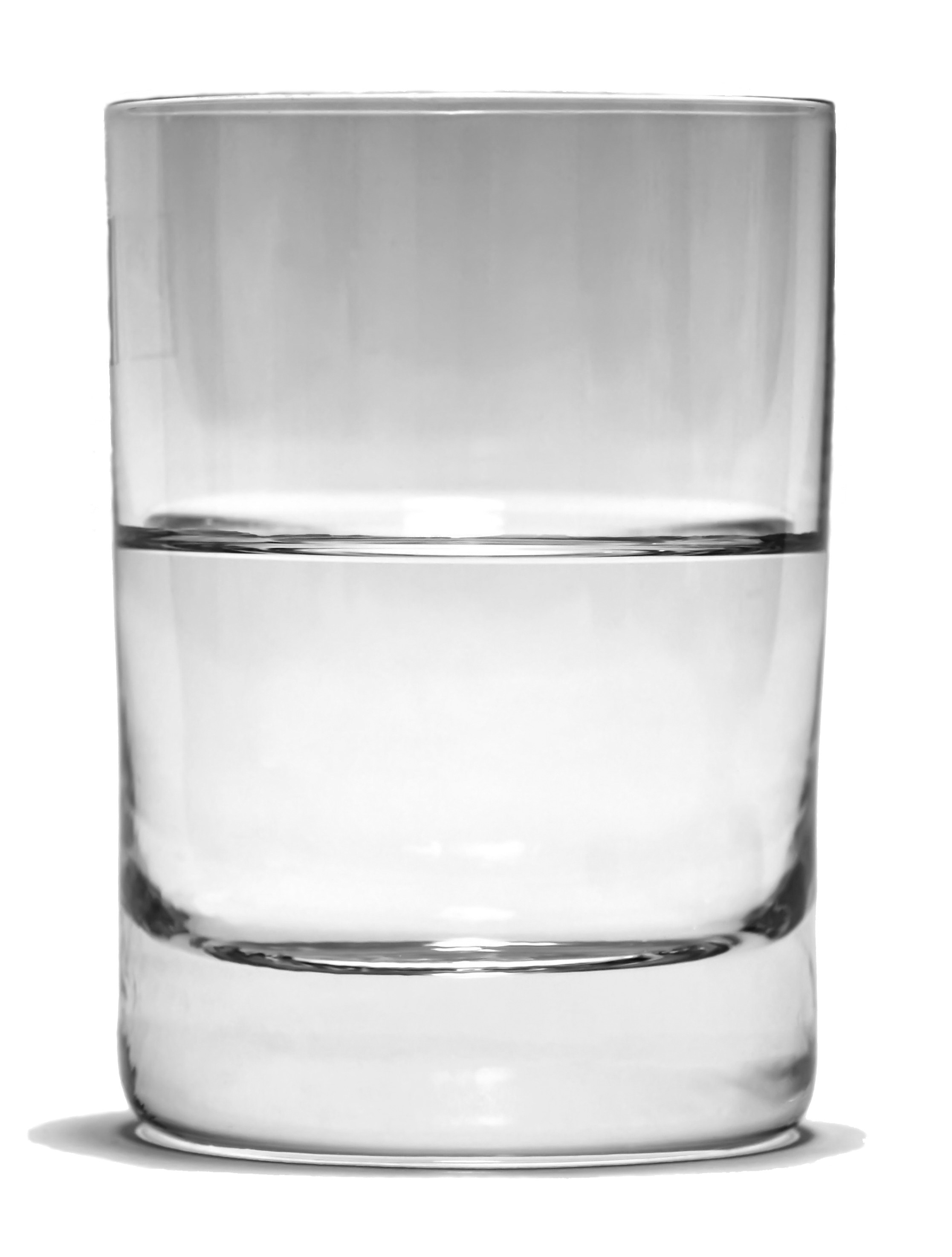
  2. Aim to drink 10 glasses of water per day.  (You may also aim for 5 small water bottles of water, which is about 85 fl. oz. total.)  One simple way to fulfill this is to keep drinking water whenever you eat and whenever you snack.  [The common complaint about water is the taste (or lack thereof).  Drinking water with food should be easier.  Another advantage of drinking water whenever you eat is making you feel full while eating less.]  Do not count caffeinated beverages and other beverages as water.  Noncaffeinated ginger-tea may be counted as water.  Black tea would not be counted as water. 
  3. Exercise.   Exercise (in addition to recommendations 1 and 2 above) will have a synergistic effect in improving your condition.  At the minimum, walk (or ride on an exercise bike) for 30 minutes per day.  (However, it depends on the situation.  For example, for some patients who just had surgery, they may not even be able to walk for 30 minutes, but maybe just 5 minutes.  Speak to your doctor and adjust for your individual condition.  However, for most cases, you would probably be able to do even more than walking for 30 minutes per day.  In most cases, 30 minutes of walking per day would be the minimum, if you want your condition to improve.)


Reaching the Ideal Levels is Important for the More Critical Conditions
The more serious your condition, the more closely you have to follow the recommendations (if you don’t want to end up in the hospital.)  For example, if you are reading this because of slight bloating, abdominal discomfort, and constipation, you would probably do fine even if you just get your intake of fruits and vegetables to 5 servings per day and drink 6 glasses of water.  Even though you fall slightly below the ideal, you may still be fine for milder conditions.  

However, if you have more severe gastro-intestinal problems (such as problems linked with inflammation, infections, and/or symptoms of nausea and vomiting), then it is more critical for you to reach the ideal recommendation of at least 9 servings of fruits and vegetables and at least 8 glasses of water.  When you are facing more severe conditions, there are always factors you can control and factors you do not have control over.  These nutrition and exercise recommendations are factors you can control.  The problem is - some patients do not take control over what they have control over (such as in what they eat and in exercise).

Fruits and Vegetables are Better Than Whole Wheat and Whole Grain
Although whole wheat and whole grain products can be high in fiber, they may cause you to lose important nutrients. They would pull more nutrients into your stool and out of your body.  Also, some people are gluten-sensitive and would have more gastro-intestinal problems from eating certain types of whole-wheat and whole-grain products (if they are not gluten-free).

Fruits and vegetables generally do not have these problems that wheat and grain have.

Fiber Does Not Help Without Water
Increasing fiber intake without increasing water intake would not help you.  Increasing fiber without adequate water intake may actually make symptoms worse for you.  You have to increase water intake along with fiber to reap the benefits.

Fiber Rationale
Fiber pulls water into the colon to produce softer and bulkier stools to promote regularity.  However, some fiber sources like grain and wheat also pulls other nutrients into the stool and out of the body (without making up for them).  That’s one reason why fruits and vegetables are better fiber sources.

The Academy of Nutrition and Dietetics recommends 25 to 35 mg of total fiber per day.  (10 to 15 g per 1000 calories should be of soluble fiber.)

Increase Fiber Gradually
Sudden increase in fiber consumption may cause more bloating, gas, and abdominal discomfort/pain.  This is especially true with grain and wheat as well as fiber supplements.  This is especially true if you do not increase your water intake enough with the fiber.  If you are increasing your fiber intake, do so gradually.  Also, increase exercise activity as you increase your fiber intake gradually.  

Examples of Good Sources of Fiber
Prunes, apples, bananas, and pinto beans are examples of good sources of fiber.

Conditions Needing Increased Fiber Intake
The following are some conditions requiring increase of fiber and water intake:

  1. Constipation
  2. High cholesterol (hypercholesterolemia) and related conditions such as high blood pressure (hypertension) and heart disease (and other cardiovascular conditions)
  3. Prevention of blood sugar conditions (such as diabetes, hyperglycemia, and hypoglyemia)
  4. Gastrointestinal prblems (intestinal cancer, pancreatic problems, gallbladder problems, and other related problems
  5. Colon problems such as diverticulitis and diverticulosis

References (for lay readers)


References (review articles for doctors, health and science professors, and other health professionals)


Feel free to follow/like us on Facebook at - http://www.facebook.com/pages/SpirFit/141881909215772 

Copyright: © 2016. This document is the sole property of Amadeo Constanzo. You may freely post this article without charge if and only if you include this entire copyright notice including the following links. Other free teachings from Amadeo Constanzo can be found at SpirFit.org and  http://www.facebook.com/pages/SpirFit/141881909215772


Tuesday, February 23, 2016

3D Imaging May Improve Surgery Outcomes


By Amadeo Constanzo
  
3D imaging technology adopted from other industries (such as gaming and entertainment) is becoming a real game changer in medicine.  The new 3D tools import MRI or CT scans and render these images into virtual 3D images, allowing the surgeons to plan in great detail before cutting open the patient.  There have also been advances in 3D imaging in endoscopic surgery where the 3D images guide the surgeon in real-time to perform the surgery with greater precision.  

Dr. James Chandler and Dr. Orin Bloch, neurosurgeons at Northwestern University, have started using such 3D endoscopic systems to more precisely remove brain tumors in patients.  The 3D technology allows the surgeon to see more vividly, enabling them to remove all traces of the tumor and less non-cancerous tissue.  The precision allows for less cutting and therefore, a speedier recovery for the patient after surgery.  More importantly, the added precision is crucial in lowering the known risks in brain surgery – coma, vision loss, and loss of speech.


For breast cancer patients, 3D imaging technology is beginning to improve detection and post-surgery outcome.  With traditional mammogram, tumors in hidden shadows are often undetected.  “The problem of overlapping shadows has confounded breast cancer screening because mammograms don’t show cancers that are hidden by overlapping tissue,” says Dr. Kyle Myers, Director of FDA’s Division of Imaging, Diagnostics, and Software Reliability.  The newer technologies of 3D breast tomosynthesis and 3D ultrasound and breast computerized tomography would enable the doctor to see the tumors in these hidden areas.  Two of the new technology have already been approved by the FDA, the GE Healthcare SenoClaire and the Selenia Dimensions 3D System.

Even without expensive 3D imaging systems, some tech savvy doctors are exploring the use of consumer 3D technology to improve surgery outcomes.  Take the case of a pediatric cardiologist, Dr. Redmond Burke of Nicklaus Children’s Hospital, who used Google Cardboard to successfully operate on a baby, Teegan Lexcen, with an abnormal heart.  Dr. Burke used an app called Sketchfab to render the baby’s CT scans into 3D visuals on the iPhone.  With the iPhone and Google Cardboard, he visualized the surgery in virtual reality.

“I think about heart repairs in three dimensions,” said Dr. Burke.  3D imaging sure makes that easier.  


Other doctors had already concluded that Teegan was inoperable but 3D imaging enabled Dr. Burke to successfully operate on Teegan by allowing him to plan out every incision and every step of the surgery in 3D.  This decreased the amount of time the infant stayed cut opened and it was crucial because the more time spent in heart surgery for a baby, the higher the chances of heart and brain damage.

Despite the many reported cases of 3D imaging technology producing favorable results, more studies will need to be done to quantitatively confirm surgery success rates from the implementation of 3D imaging technology.  However, it all looks very promising from what we’ve seen so far.


More information on health and medicine (based on reliable sources) is available at - http://spirfit.org/Academy/#medicine

Feel free to follow/like us on Facebook at - http://www.facebook.com/pages/SpirFit/141881909215772 


Copyright: © 2016. This document is the sole property of Amadeo Constanzo. You may freely post this article without charge if and only if you include this entire copyright notice including the following links. Other free teachings from Amadeo Constanzo can be found at SpirFit.org and  http://www.facebook.com/pages/SpirFit/141881909215772 


Sunday, October 18, 2015

Healing and Faith: Accounted for in Medicine


Although there are some things not in your control, you have more control over the outcome (your healing) than you think. Faith plays a role in medicine. Part of it is documented in science as the placebo and nocebo effect. (It is so powerful that they have to account for it in most studies, to prevent it from skewing the studies.) Beyond science and medicine, your faith plays a much bigger role in your healing than you think. What is faith? It's probably not what you think.

What faith really is - http://stanzo.blogspot.com/2015/10/what-faith-really-is.html


Feel free to join us on Facebook at http://www.facebook.com/pages/SpirFit/141881909215772

Tuesday, July 28, 2015

SpirFit.org is Back Up and Running

Our website at SpirFit.org is up and running again.  Feel free to contact us if you have any problems with our site.  Thank you.

Monday, July 27, 2015

For Eyes, Lutein and Zeaxanthin Foods


As at least one eye doctor has informed me, almost everyone will develop some type of eye disease leading to blindness, if they live long enough.  The few who do not develop these eye diseases as they get older are those who have the habit of eating 5 to 9 servings of fruits and/or vegetables a day, especially fruits and vegetables that contain lutein and zeaxanthin.  Such fruits and vegetables include oranges, carrots, brocolli, brussel sprouts, spinach, cantaloupes, nectarines, and papayas.

"Lutein and zeaxanthin are non-provitamin A carotenoids. They are antioxidants that are concentrated in the macula of our eyes. Eating a diet high in fruits and vegetables that are rich in lutein and zeaxanthan may reduce the risk for macular degeneration [as well as other eye diseases].  It’s important to get our antioxidants from foods! Beta-carotene supplements have been found to have no effect on risk for these eye diseases."  


If you want to make it simpler, I (personally) just go with the (previous) USDA recommendation of 5 to 9 servings of vegetables and/or fruits per day.  In addition to healthier eyes, another good effect from this simple practice is having better skin, getting slimmer, and looking younger than your age.  Also, with this simple practice, you are less likely to get other serious and common diseases as you get older.

To make it even easier, one way to fulfill this quota is to simply aim for 3 servings of fruits and/or vegetables per meal.  For example, have one apple + one orange + one serving of spinach before you eat the rest of the meal. (The rest of the meal would likely be less healthy).

https://edis.ifas.ufl.edu/fy1217


Disclaimer: Consult your doctor before making use of information on this site or anywhere online.  The information here is only for educational purposes and not meant to treat any disease.  Use the information here at your own risk.  If you choose to use the information on this blog or website, you agree that the author or any entity associated with this blog and website are not liable for any consequence of your use or misuse of the information.


More information on health and medicine (based on reliable sources) is available at - http://spirfit.org/Academy/#medicine

Feel free to follow/like us on Facebook at - http://www.facebook.com/pages/SpirFit/141881909215772 


Wednesday, June 17, 2015

Iron Supplementation for Borderline Anemic and Others


People take iron supplementation (along with folate and vitamin B12) for a variety of reasons, such as borderline anemia, pregnancy, preparation for pregnancy, attention deficit, menstrual bleeding, and fatigue.

Iron Overdose and Poisoning
Here's the first thing you need to know about iron supplementation. Inappropriate iron supplementation may lead to iron overdose, iron poisoning, and even death (especially in children) which are not as uncommon as you may think.


Daily Iron Requirements
You need a strategy that includes both iron-rich food and supplementation, not just supplementation alone.  You need both food and supplementation to effectively replenish your iron stores in your blood (to normalize hemoglobin and hematocrit levels).  People with the highest needs (such as anemics and pregnant women) require approximately 27mg of iron per day.  Other females (with lower requirements) need about 18mg per day.  Most males need approximately 10mg of iron per day.  Your supplementation of iron should not exceed 27 mg of iron per day.  You can (and should) get a little bit more from food, in addition to supplementation.  Generally, you cannot overdose on iron from FOOD that naturally contain iron.


What You Do For High-Iron-Need Cases (such as borderline anemia and pregnancy)

  1. Everyday, take a multivitamin with approximately 27mg of Iron, 800mcg of Folate/Folic Acid, and 2.6mcg of Vitamin B12  (such as Centrum Prenatal, even if you are not a pregnant female.  If not Centrum Prenatal, choose another well-known brand from a well established company.)
  2. Eat two of the foods from the list/table below (of foods with iron, folate, and vitamin B12)
  3. As much as possible, eat a fruit high in vitamin C (such as orange, kiwi, or mango) immediately after eating iron-containing foods.  For example, you can eat an orange after snacking on cereal containing iron.
  4. Aim to have 5 to 9 servings of vegetables and/or fruits each day


http://www.centrum.ca/products/centrum-prenatal


Foods with Iron, Folate, and B12

Iron Folate B12
Fortified Cereals ~ 18 mg ~ 100 mcg ~ 6 mcg
Spinach ~ 3mg ~ 131 mcg
Fish ~ 1 mg ~ 12 mcg ~ 3 mcg
Chicken ~ 1 mg ~ 12 mcg ~ 0.3 mcg
Fortified Cereals ~ 18 mg ~ 100 mcg ~ 6 mcg
Nuts ~ 1 mg ~ 20 mcg
Beef ~ 2 mg ~ 7 mcg ~ 0.5 mcg
Beans ~ 1 - 6 mg ~ 40 mcg ~ 1 mcg


What You Need to Do If You Are a Lower-Need Case
  1. Daily, take a multivitamin with 10 - 18mg of iron.  (Choose a well-known brand.  I take Centrum.)  
  2. Eat two of the foods from the list/table above  (of foods with iron, folate, and vitamin B12)
  3. As much as possible, eat a fruit high in vitamin C (such as orange, kiwi, or mango) immediately after eating iron-containing foods.  For example, you can eat an orange after snacking on cereal containing iron.
  4. Aim to have 5 to 9 servings of vegetables and/or fruits per day.


If the 1-2-3 Above Is Not Sufficient
Keep in mind any nutritional strategy for iron may require a month to a year before your body's iron reserves are fully replenished (depending on the individual case).  You have to persist in continuing with the appropriate 1-2-3-4 habit above.  If the 1-2-3-4 above is not sufficient, add the following:

5. When taking your multivitamin and when eating the foods with iron (on the list above), avoid milk, antacids, other food with calcium, tea, coffee, and caffeine.  Calcium and caffeine inhibit the absorption of  iron.

6. Eat oysters or other seafood occasionally, but only occasionally.  Oysters and other seafood contain a good amount of iron, but they are generally considered unhealthy and may in the long term cause other health problems.  Therefore, eat seafood only occasionally.  Remember to eat an orange or something with vitamin C immediately after eating iron-rich foods.


Conditions Helped by Iron Supplementation

To see which conditions are more well-established (in science literature) to be helped by iron supplementation, go to - http://www.nlm.nih.gov/medlineplus/druginfo/natural/912.html#Effectiveness


Disclaimer: Consult your doctor before making use of information on this site or anywhere online.  The information here is only for educational purposes and not meant to treat any disease.  Use the information here at your own risk.  If you choose to use the information on this blog or website, you agree that the author or any entity associated with this blog and website are not liable for any consequences of your use or misuse of the information.


More exercise and health information or lessons are available at - http://spirfit.org/Academy/#fitness

Feel free to follow/like us on Facebook at - http://www.facebook.com/pages/SpirFit/141881909215772 
Thursday, November 27, 2014

Fighting Infections


Sunday, November 23, 2014

People with Back Problems and Spinal Problems


This post is for people dealing with back problems and for people dealing with people with back problems.  This post is inspired by Steve Nash, his back problems, and the criticism he has received because he’s still swinging a golf club.  I have to say something about this because it hits home for me (since I have pre-existing back problems too, although my back problems are now under control and I am now back pain free thanks to God and thanks to my SpirFit knowledge, including knowledge of appropriate exercises.)  It baffles me how some people think it’s okay to criticize or even make fun of you in your pain. 

If You Know Someone With Spinal or Back Problems
When it comes to spinal conditions, or back problems, different cases are individualistically different.  Some may have trouble swinging a golf club while others do not (but any one of them will probably still have a lot of pain if they have to play high level NBA basketball games.) 

Just like with any medical condition, different patients experience things differently.  It is unbelievable how people can criticize someone with medical problems, problems that they do not understand.  If you don’t understand, just shut up with it, because God may punish you for this and give you the same pain.  Trust me, pain from spinal problems is something you don’t want.  As a Chinese saying goes, “You understand a needle is painful, but you don’t really understand until the needle penetrates your own skin and bone.”

The criticisms and negative comments toward Steve Nash is literally “adding insult to injury” and it’s appalling.  You are doing the same if you ever criticize someone in their pain or medical problem that you don’t understand (even if you think you do).  Don’t do that.

If You Have Back Problems
Also, if you have back problems, generally you should continue to engage in any physical activity that does not aggravate the problem or does not exacerbate the pain.  Physical activity that does not aggravate the problem actually helps you heal.  Inactivity actually will make your back problems worse.  This is backed up by medical literature.  Any good orthopedic doctor or doctor of physical therapy can confirm this.  For Steve Nash, if swinging a golf club and hiking does not give him much pain, then engaging in such physical activities actual helps the condition.  If chasing opponents like Steph Curry up and down the basketball court in NBA games aggravates his spine, then he needs to take a break to recover (especially when he’s 40 or above) before attempting to play at that level again.  From someone who knows spinal problems firsthand (and knows some of the medical literature on this), it seems like Steve Nash is doing exactly the right thing

News Story About Criticism of Steve Nash at:


More exercise and health information or lessons are available at - http://spirfit.org/Academy/#fitness

Feel free to follow/like us on Facebook at - http://www.facebook.com/pages/SpirFit/141881909215772 


Tuesday, October 21, 2014

Simple and Cheap Way of Eating Healthy and Getting Slim


Disclaimer: Talk to your doctor or RD before taking advice from this website or blog.  In using information from this blog, you release the author and owner of this blog and website from any liability.


Feel free to follow us on Facebook by liking our Facebook at - http://www.facebook.com/pages/SpirFit/141881909215772 

More nutrition and fitness information or lessons are available at -http://spirfit.org/Academy/#fitness

Friday, December 6, 2013

Working with Your Company


To companies we have worked with and to companies we will work with, we want to thank you for hiring us to serve and educate your customers and the public. We also want to remind you of our standards in educating your customers.

Win-Win-Win Situation
When you hire us to educate your customers, we will review your company’s products and we will recommend only those products we honestly believe (according to our expert knowledge) to be beneficial to consumers.  So far, we’ve always been able to find products (from every company we’ve worked with) that we can recommend to the public.  (As for your products that we cannot recommend, we will simply not mention them.)

Recommending only the products we deem healthy based on science is a win-win-win situation benefiting your company, consumers, and us.  It is better for your company if your potential customers listen to us (in buying some of your products regularly) than if your customers don’t listen to us at all (because they see us as sales people or advertisers recommending all the products from your company).

If we don’t adhere to this standard, we will lose credibility with consumers and the public.  If that happens, we would become useless as health, fitness, and science educators and thereby useless to your company.  In that case, everybody loses. 


Educators in Health, Fitness, Science, Academics, and Other Areas
We focus on truly benefiting the public.  As a result of this focus, we are gradually reaching more and more people.  We have an average reach of 200 people per day mostly online and in-person through workshops.  Also, we have over 3000 followers on various social media platforms.  Our reach is gradually growing.

To re-emphasize, we are educators (in health, fitness, and other areas), but we are not sales people.  We at the SpirFit Academy need to keep our scientific integrity, in order to maintain imprimatur from science professors and academia.  No amount of money is worth jeopardizing this. 

Thank you again for the opportunity to serve and educate your prospective consumers and current customers.


Sunday, November 10, 2013

Lowering LDL Cholesterol


If you need to lower your LDL cholesterol (bad cholesterol) or lower your overall cholesterol, a lot of what you need to do overlaps with what you need to do in managing weight, staying healthy and fit, or managing diabetes. To lower LDL cholesterol, the following four points are the simplest and most important:


1. Eat at least two MORE servings of fruits and/or vegetables per day than you already do now.   (This is good for weight control anyway as I’ve written in http://spirfit.blogspot.com/2010/06/you-will-not-gain-bad-weight-from.html  )  Also, fruits and vegetables have good fiber content and plant stenols which lower your absorption of LDL cholesterol.  Personally, I prefer fruits because they are more convenient and quick to just wash and eat.  In addition, fruits keeps your craving for bad sweets under control in the long term.  However, some people find it convenient to do salad vegetables by just preparing a big tupperware bowl of salad and keeping it in the refrigerator.  That's fine too.  Do whatever it takes for you to increase your intake of fruits and/or vegetables by two more servings per day.  Also, to give you an idea of one serving, a medium size apple is a serving.  A banana is a serving.  The size of a small or medium sized fist is a serving.

2. Eat more fish and take a fish oil pill at the meals you are not having fish.

3. Drink a glass of water (hot or cold) at the beginning of every meal.

4. Exercise one more day per week than you already do right now.


Here are additional important information in keeping your LDL cholesterol low:

• Avoid bakery products like cakes, brownies, cookies, and muffins.  They usually have high saturated fat and sugar content.  [Personally, I eat such products once every four months or less.]

• Keep planning your meals with the same concept as people managing or preventing diabetes.  Info about this can be found at - http://spirfit.blogspot.com/2013/04/diabetes-and-pre-diabetes.html

• Eat more nuts, such as walnuts, peanuts, and almonds.  Snack on them throughout the day.  Mix them into your vegetables and salads.


• On food labels, the following are bad:  saturated fat, trans fat, cholesterol, and sodium

• Foods with food labels, the following (bad) ingredients should not be more than 5% DV:
                               Saturated Fat
                               Cholesterol

• There should be 0% Trans Fat (as most food companies eliminated trans fats from their ingredients already)


For additional information on LDL cholesterol, visit the following reliable websites:

• Cholesterol numbers to aim for:  LDL, HDL, and total

• Estimating and planning your fat intake -
http://www.mayoclinic.com/health/fat-grams/HQ00671

• LDL cholesterol calculator at -
http://www.mayoclinic.com/health/ldl-cholesterol/CL00034

• High blood cholesterol information from Medline, or NIH (National Institute of Health)
http://www.nlm.nih.gov/medlineplus/ency/article/000403.htm

• Muscular and aerobic fitness helps protect against effects of LDL cholesterol
http://www.medscape.com/viewarticle/761039

• What is LDL?


Disclaimer: Talk to your doctor or RD before taking advice from this website or blog.  In using information from this blog, you release the author and owner of this blog and website from any liability.

More health and fitness information and lessons are available at - http://spirfit.org/Academy/#fitness